
How to Choose the Right Indian Restaurant for Your Occasion – A Guide for Diners in Sunbury-on-Thames and Surrey
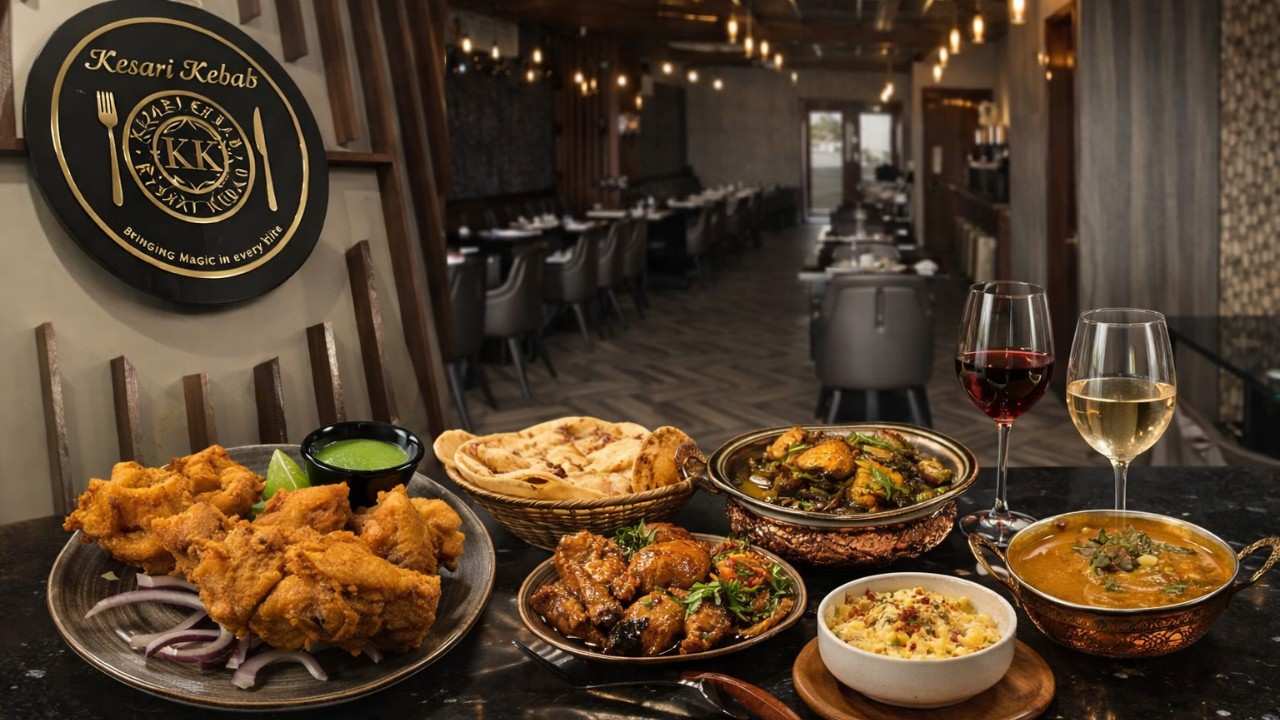
Indian cuisine has become one of the most loved dining choices across the United Kingdom. With its rich flavours, aromatic spices, and wide variety of dishes, it suits everything from casual meals to special celebrations. However, choosing the right Indian restaurant can make a big difference to the overall experience. In communities such as Sunbury-on-Thames and across Surrey, diners are fortunate to have several options available. Restaurants like Kesari Kebab, serving customers in Sunbury and nearby Ashford, highlight how Indian dining can suit many different occasions when the right place is chosen.
The first factor to consider when selecting an Indian restaurant is the type of occasion. A relaxed family dinner, for example, often calls for a welcoming environment with a diverse menu that offers something for everyone. Families may look for restaurants where both meat dishes and vegetarian options are available, along with familiar favourites such as curries, grilled kebabs, and freshly baked naan breads.
For gatherings with friends, atmosphere often becomes just as important as the food. Many diners enjoy restaurants that offer a lively but comfortable setting where people can share starters, explore different dishes, and enjoy a relaxed evening. Indian cuisine works particularly well for social dining because many dishes can be shared around the table, allowing everyone to experience a variety of flavours.
When planning a celebration—such as a birthday, anniversary, or family event—it is helpful to choose a restaurant known for consistent quality and attentive service. Guests often want a place where the food is freshly prepared and the flavours are authentic. Restaurants like Kesari Kebab, known locally in Sunbury-on-Thames and Ashford, provide menus that include both traditional favourites and grilled specialties, making them suitable for celebratory meals.
Location also plays an important role when choosing where to dine. Many people prefer restaurants that are easy to reach and situated within their local community. In towns like Sunbury-on-Thames, having quality Indian restaurants nearby allows residents to enjoy authentic cuisine without travelling far. A convenient location can make spontaneous dinners or last-minute gatherings much easier to arrange.
Another important consideration is the variety offered on the menu. Indian cuisine is incredibly diverse, so a good restaurant should offer a balanced selection of dishes. This might include starters such as samosas or pakoras, grilled items from the tandoor, rich curries, vegetarian specialties, and fresh breads. A wide range of options ensures that diners with different preferences and dietary requirements can all find something they enjoy.
The reputation of the restaurant is also worth considering. Many diners look at local recommendations, online reviews, or word-of-mouth suggestions from friends and neighbours. Restaurants that consistently receive positive feedback for their food and service often become trusted dining destinations within their communities.
Finally, the overall dining experience should feel welcoming and enjoyable. Indian cuisine is deeply connected to hospitality and sharing food with others. A restaurant that creates a friendly atmosphere, serves flavourful dishes, and pays attention to detail can turn an ordinary meal into a memorable experience.
For residents and visitors in Sunbury-on-Thames and across Surrey, choosing the right Indian restaurant means finding a place that combines authentic flavours, a welcoming environment, and a menu that suits the occasion. Restaurants such as Kesari Kebab reflect how local establishments can bring the rich traditions of Indian cooking to the community while offering a dining experience that fits everything from casual meals to special celebrations.
Ultimately, the right restaurant is the one that brings people together around good food. With the variety and warmth that Indian cuisine offers, a thoughtfully chosen restaurant can turn any occasion into a truly enjoyable dining experience.
No responses yet